Forest Walks in Podyjí Nature Reserve
Discover well-maintained trails through protected landscapes with abundant wildlife, minimal elevation changes, and plenty of shaded rest areas for comfortable pacing.
Why Podyjí Stands Out
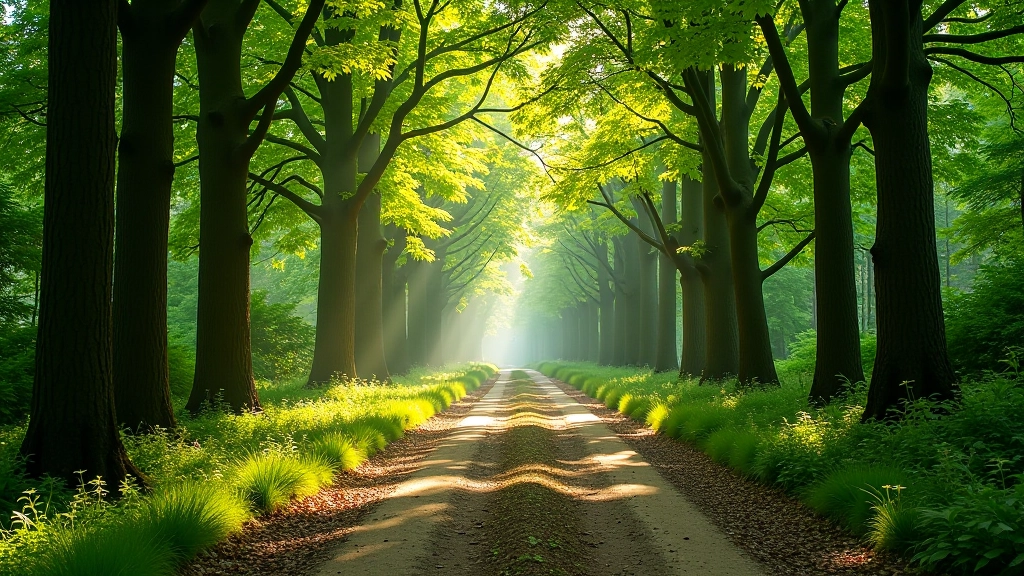
Podyjí National Park isn't just another nature reserve. It's a 63-square-kilometer protected area that's been shaped by the Dyje River for thousands of years. You'll find limestone cliffs, oak forests, and habitats that've remained largely untouched by development. That matters because it means you're walking through genuinely wild spaces — not manicured park trails.
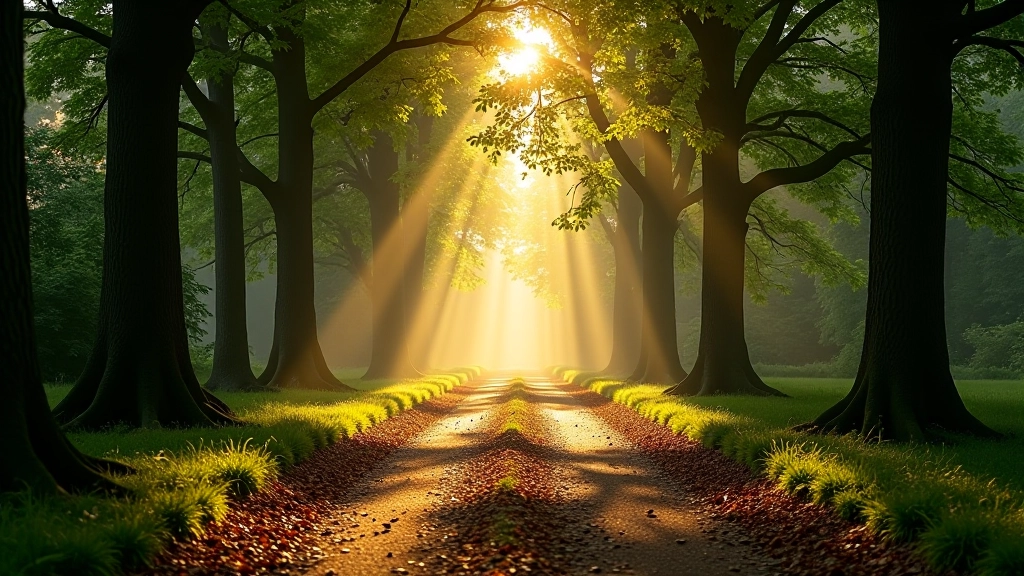
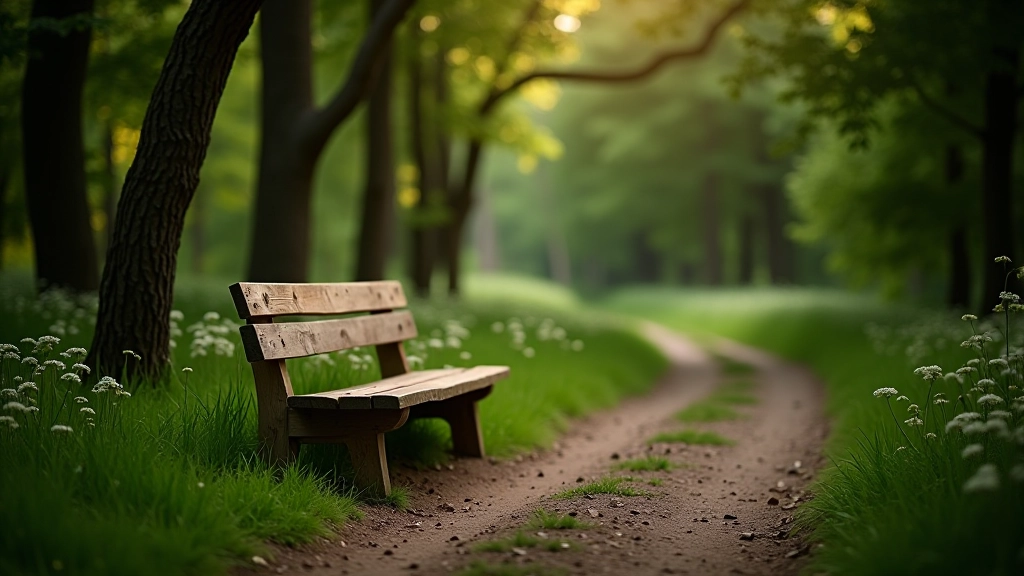
The reserve sits on the Austrian border, which creates a unique ecosystem. You'll see species here that don't show up in other Czech parks. And here's the practical part: the terrain is manageable. Most paths have gentle grades, shade from the forest canopy, and regular benches positioned at natural resting points. We're not talking about steep mountain hikes.
The Main Trail Network
There are four main walking routes through the reserve, ranging from 3 to 8 kilometers. Don't let that distance intimidate you — these aren't speed-walking courses. Most people cover a 5-kilometer loop in about 90 minutes when they're stopping to look at things, which is the whole point.
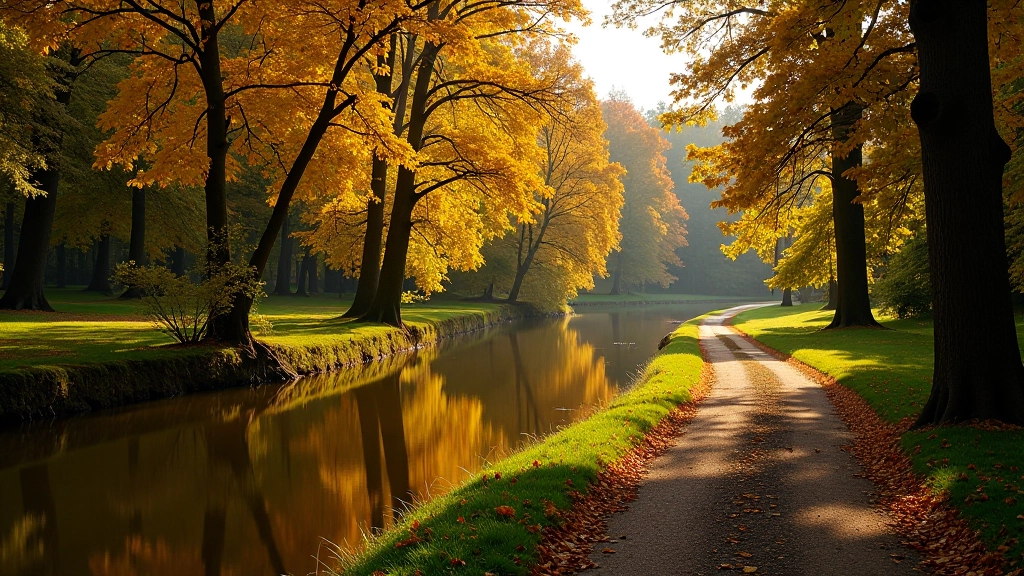
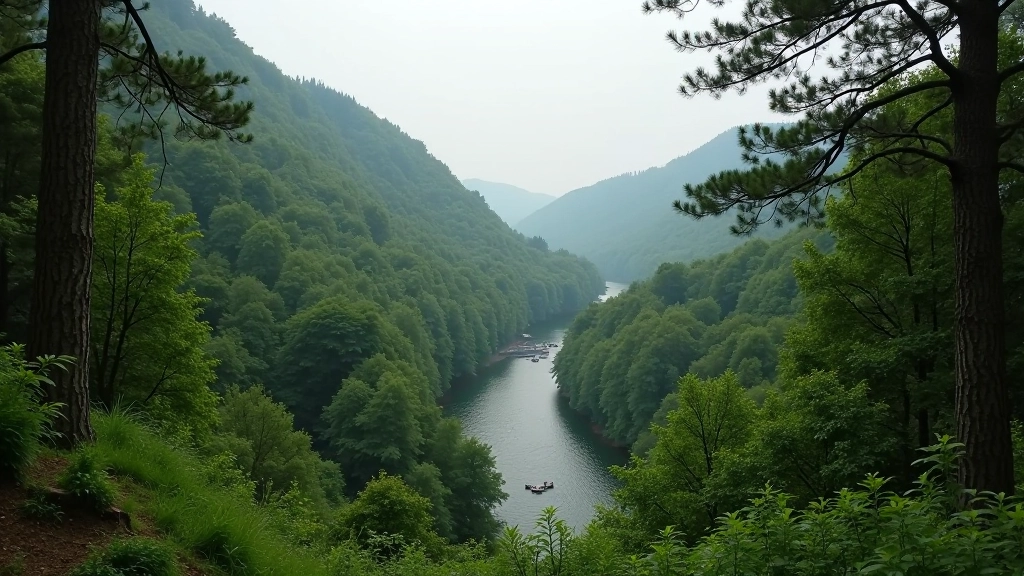
The yellow-marked path is probably the most popular. It follows the Dyje River for stretches, which means you get riverside views without the technical challenge. The terrain is mostly packed earth with some rocky sections. Your knees won't take a beating, but you will notice the walking — in a good way. It activates your legs without exhausting you.
Trail Duration: Plan 2-3 hours for a full loop, including stops. Start early if you want a leisurely pace with lunch breaks.
Wildlife & What You'll Actually See
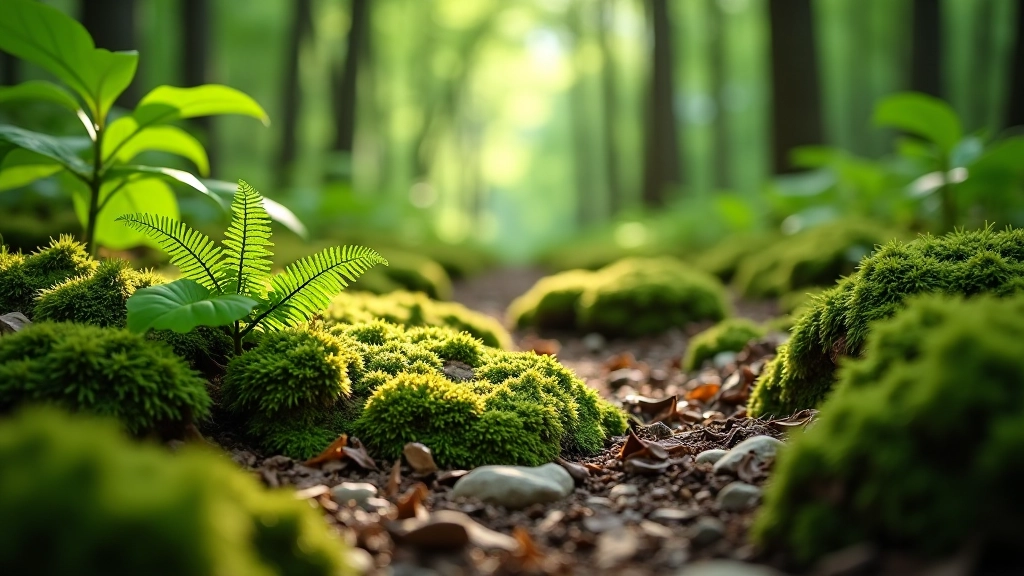
The park protects over 800 species of plants and 200 bird species. That's not just a number — it means you're walking through a genuinely biodiverse landscape. You might not see everything on a single visit, but you'll notice the variety. Oak forests give way to riverside vegetation. The understory changes as you move through different microclimates.
Birds are your best bet for wildlife spotting. Listen for woodpeckers — you'll hear them before you see them. Red kites circle overhead. In spring and autumn, migration routes bring species through the reserve. You don't need binoculars to enjoy this, though they help. Just walk quietly, pause occasionally, and pay attention.
Important Information
This article provides educational information about walking routes and natural features in Podyjí National Park. Conditions vary by season and weather. Always check current park regulations and trail status before visiting. The park operates with specific access rules — some areas are restricted during nesting seasons. Visit the official park website for current guidelines, maps, and any closures before planning your trip.
Practical Considerations & Best Practices
The reserve sits about 150 meters above sea level in the river valley, but the terrain itself is rolling rather than steep. What matters more than elevation gain is footwear. Trails can be muddy after rain. Proper walking boots with ankle support make a real difference on the rockier sections. Don't go in sneakers — you'll regret it after the first 20 minutes.
Water is critical. There's no water available along most trails. Bring at least 1.5 liters per person. The park gets sun exposure, particularly in summer, so shade is genuinely valuable. That's actually an advantage — the oak forest canopy keeps things cool even when it's warm outside. But it also means visibility can be limited, so watch your footing on uneven sections.
Spring (April-May) and autumn (September-October) are ideal. Temperatures are moderate. You won't be fighting heat or cold. Summer is doable but busier. Winter is possible but trails get slippery. Many people find the park most rewarding in May when the understory is lush and birds are active.
Getting There & Logistics
The main entrance is near the village of Čunkovice, about 30 kilometers from Znojmo. If you're driving from Brno, it's roughly 90 minutes. There's parking at the visitor center. If you're using public transport, you'll need to get to Znojmo first, then arrange a taxi or shuttle — the park isn't directly served by buses.
The visitor center has maps, information about trail conditions, and current regulations. It's worth stopping there even if you think you know where you're going. Staff can point out recent changes, suggest routes based on your pace, and let you know about any wildlife events happening during your visit. It takes 15 minutes and genuinely improves your experience.
Essential Packing List
- Walking boots with good grip and ankle support
- 1.5-2 liters of water per person
- Trail map from visitor center or printed beforehand
- Sun protection and hat for exposed sections
- Light snacks and energy bars
- Phone with offline maps as backup
A Walking Experience Worth Your Time
Podyjí isn't a destination you rush through. It rewards attention. The forest reveals itself gradually — the architecture of an old oak, the calls of unseen birds, the way light filters through the canopy. These aren't dramatic moments, but they're genuine. You're walking through a landscape that's been relatively undisturbed for decades, and that translates into a different kind of experience than heavily managed parks.
The trails are accessible enough that you won't spend the walk fighting the terrain. They're interesting enough that you won't get bored. And they're situated in a genuinely biodiverse ecosystem that offers something new each season. If you're looking for a woodland walk that delivers both comfort and discovery, this reserve delivers on both fronts.
Ready to explore more outdoor options in the region?
Discover Riverside Walks Near Český Krumlov
More Outdoor Destinations