Birdwatching at Třeboň Wetlands
A gentle introduction to birdwatching in one of Europe's most important wetland areas
Why Třeboň Matters for Bird Lovers
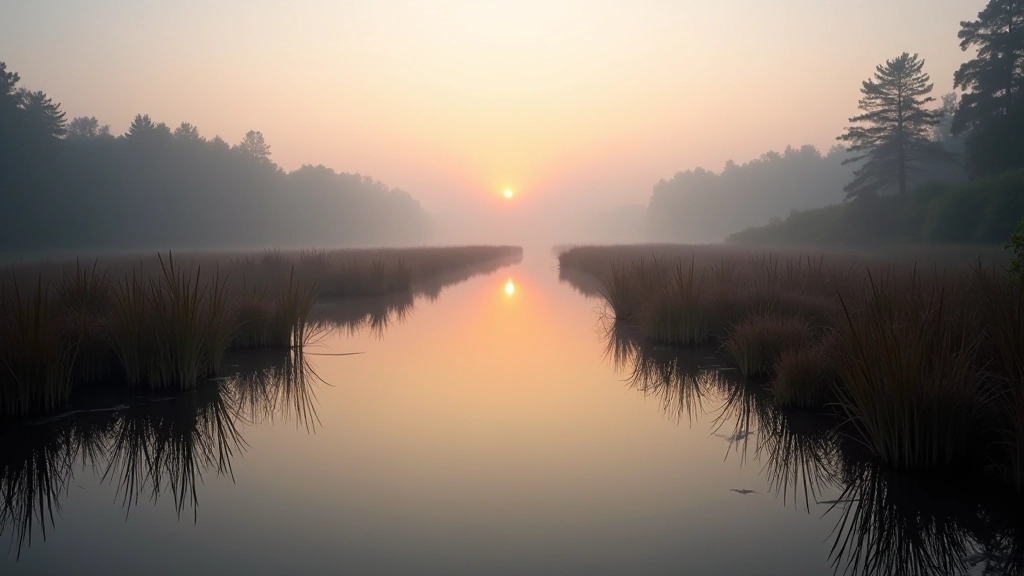
Třeboň's wetlands aren't just beautiful — they're genuinely important. We're talking about one of Europe's oldest managed fish pond systems, dating back to the 16th century. The area covers about 6,000 hectares and attracts migratory birds from across the continent. You'll find species here that you won't see in most other parts of Central Europe.
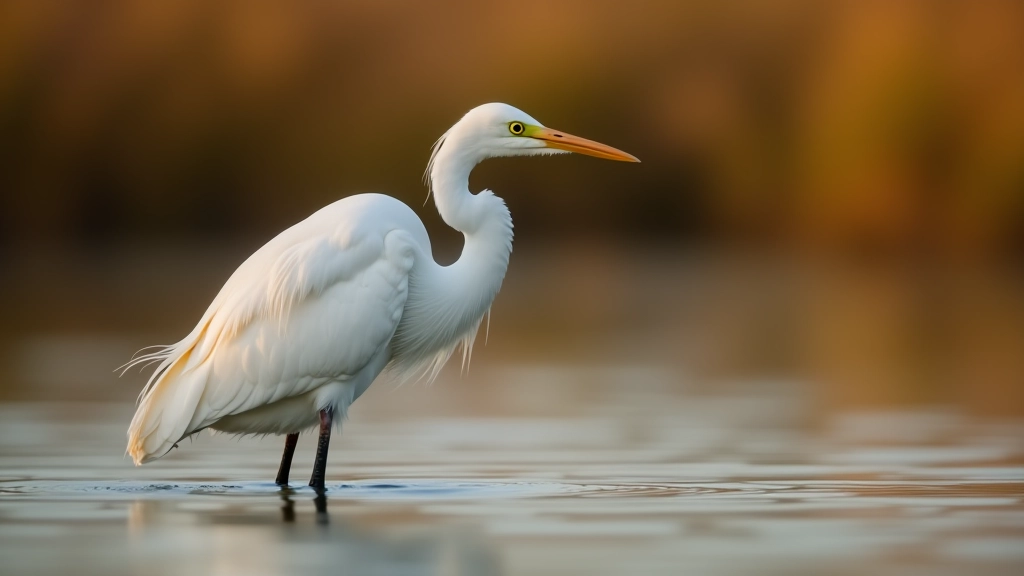
The good news? You don't need to be an experienced birder to enjoy it. The viewing stations are positioned perfectly, the trails are well-maintained, and there's genuine infrastructure set up for observation. Plus, it's genuinely peaceful. There's something about watching a great egret hunt in shallow water that makes you forget about everything else happening in the world.
01
Best Times to Visit and What You'll See
Timing matters when you're watching birds. Spring and autumn migrations are absolutely spectacular — you're looking at late March through May and August through October if you want to see the biggest variety. Summer's good too, especially early morning when it's cooler and birds are more active. Winter can be quieter, but you'll see different species like white-tailed eagles and various diving ducks.
The pond system here means water levels stay relatively stable throughout the year, so there's always something happening. You might see common terns diving for fish, cormorants fishing together, or a heron standing motionless in the shallows. The rarer sightings — like ferruginous ducks or greater white-fronted geese — tend to show up during migration periods.
Peak Viewing Times
- Spring migration: late March to May (most species variety)
- Summer: June to August (breeding birds and nesting activity)
- Autumn migration: August to October (impressive numbers)
- Winter: November to February (different species, fewer observers)
Educational Information
This guide provides general educational information about birdwatching at Třeboň Wetlands. Conditions, species availability, and facility operations may change seasonally. Always check with local authorities or visitor centers for current access information, any area closures, and specific regulations before planning your visit. Weather conditions and water levels affect bird activity and accessibility of viewing areas.
02
Using the Viewing Stations Effectively
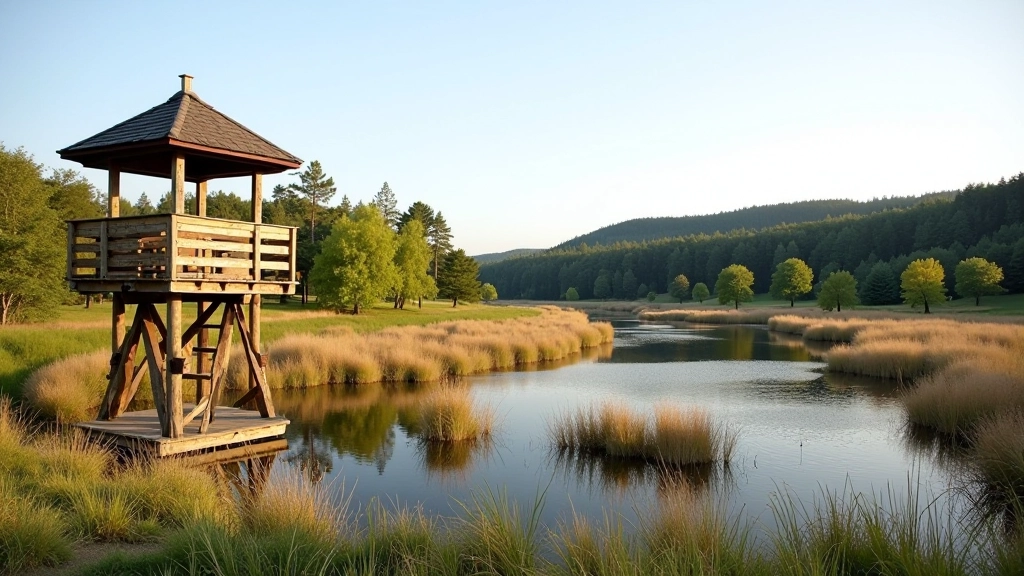
There are several observation towers and hides scattered around the wetland system. They're positioned at different spots to give you variety — some overlook the deeper ponds where diving ducks gather, others face the reed beds where warblers hide. The towers work best early in the morning when light is soft and birds are feeding actively.
Here's what works: arrive before 7 AM if you can manage it. Bring binoculars — you'll regret it if you don't. Stay quiet and move slowly. Birds are less likely to spook if you're patient and deliberate. The viewing stations have shelter, which matters if weather turns. You'll often find other birders there who are genuinely helpful about recent sightings and which areas are producing that day.
03
Identifying Common Species You'll Encounter
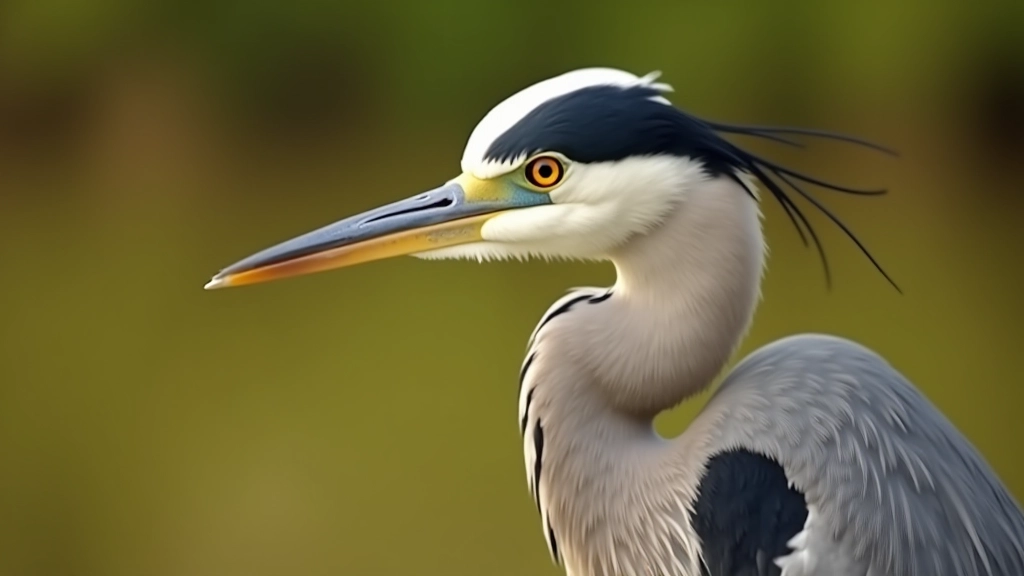
You don't need a massive field guide to enjoy Třeboň. Focusing on a few common species first makes everything easier. The great crested grebe is hard to miss — distinctive crest, black and white coloring, and they're pretty common on the ponds. Great egrets are tall and white, unmistakable once you've seen one. Grey herons are more subtle but they're everywhere. Watch for their slow, deliberate movements in shallow water.
The diving ducks are trickier because males and females look different, and they change appearance seasonally. Start with the obvious ones: mallards (males have green heads), and coot (black with white shield on forehead — it's a water rail, but everyone recognizes it). Once you're comfortable with these, identifying other species becomes a fun puzzle rather than overwhelming.
Great Egret
Pure white, tall, yellow bill. Hunts by standing still then striking quickly. Common spring and summer.
Grey Heron
Blue-grey back, white underside, black crown. Patient hunter. Present year-round but easier to spot in winter.
Great Crested Grebe
Distinctive crest, red and black neck markings in breeding season. Dives frequently to fish. Spring and summer.
Common Tern
Small, grey and white, black cap, orange-red bill. Hovers then dives for small fish. Summer visitor.
04
Essential Gear and Practical Tips
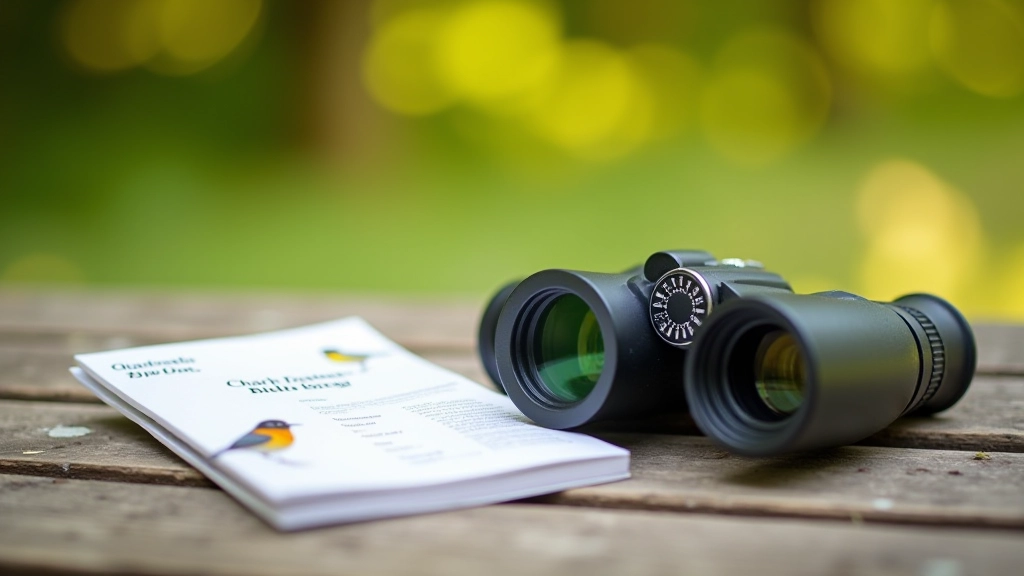
You'll want binoculars — 8x42 magnification is standard and works well for most birdwatching. A small notebook to jot down what you've seen helps you remember details and track sightings over time. Comfortable walking shoes matter because you might cover 3-5 kilometers depending on which trails you choose. Layers work best since wetland areas can be cooler and windier than surrounding areas.
Don't overpack. A light daypack with water and a snack is plenty. Bring a field guide or use a smartphone app if you prefer — there's genuinely no wrong way to do this. Many birders photograph birds now instead of just looking, which is fine. Whatever keeps you engaged and interested is the right approach. The whole point is being outside, noticing things, and enjoying the pace.
Making the Most of Your Visit
Třeboň Wetlands isn't somewhere you rush through. The experience is about settling in, watching how birds behave, noticing seasonal changes. You might see 20 different species in a morning or 5 in an afternoon — either way, you've spent hours in one of Europe's most important natural areas. The ponds have been managed for centuries, the infrastructure is genuinely good, and the sense of peace is real.
Start early, bring binoculars, and don't expect to identify everything you see. That's the joy of it — there's always something new to notice, always another species to learn about. Whether you're 25 or 75, whether you've done this before or you're completely new to birdwatching, Třeboň welcomes everyone who wants to spend time watching birds and being present in nature.
Explore More Outdoor Experiences
Discover other gentle outdoor activities perfect for relaxation and nature appreciation across Czech Republic.
Browse All Outdoor Retreats
Explore Related Articles